

Written By  Go Vita
blog
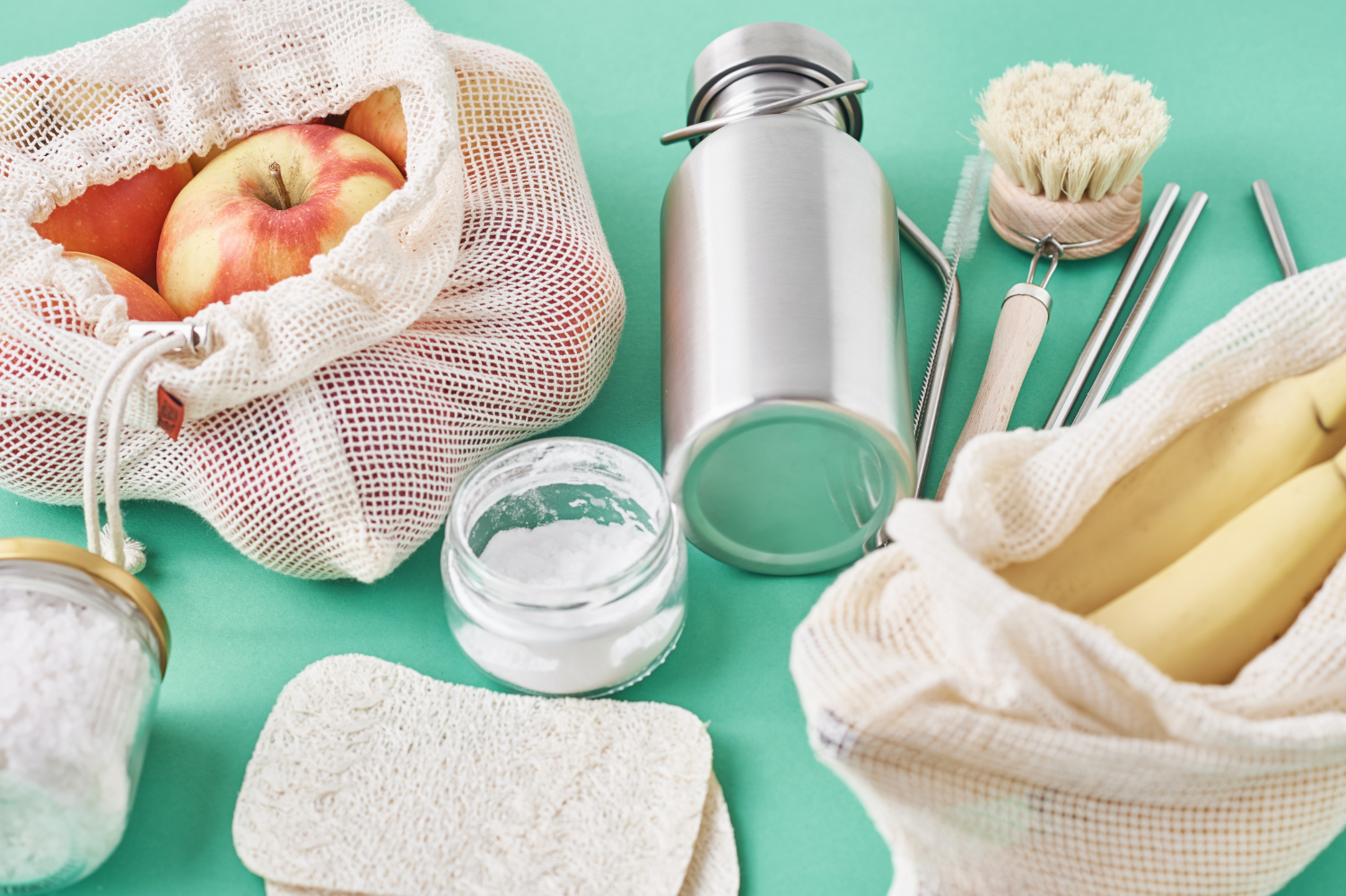
Microplastics are now everywhere — in oceans, soil, air, food, and even inside the human body. They are one of the most widespread forms of pollution on the planet, and the concerning part is that they don’t fully break down. They just get smaller and more widespread over time.

Microplastics in Our Environment: What They Are, Why They Matter, and How We Can Reduce Them
Microplastics are now everywhere — in oceans, soil, air, food, and even inside the human body. They are one of the most widespread forms of pollution on the planet, and the concerning part is that they don’t fully break down. They just get smaller and more widespread over time.
What are microplastics?
Microplastics are plastic particles smaller than 5mm. They are generally classified into:
• Primary microplastics: intentionally produced small plastics (e.g. industrial pellets, microbeads in older cosmetic products)
• Secondary microplastics: fragments that form when larger plastic items break down due to sunlight, heat, friction, and environmental exposure
Unlike organic materials, plastics do not truly biodegrade in natural conditions. Instead, they fragment and persist in the environment for decades or longer (UNEP, 2021).
How microplastics spread through the environment
Microplastics are now embedded in global ecosystems:
• Oceans: ingested by marine organisms and transferred through food chains
• Soil: introduced through sewage sludge, fertilisers, and plastic-based agricultural products
• Air: released through synthetic textiles and household dust
• Freshwater systems: transported through rivers into oceans
A major global analysis estimates millions of tonnes of plastic waste enter the marine environment each year, where it gradually breaks down into microplastics (Jambeck et al., 2015).
Environmental impacts
Wildlife harm
Marine and terrestrial animals often mistake microplastics for food. This can result in:
• Blocked digestive systems
• Reduced nutrient absorption
• Starvation and reproductive issues
Ecosystem disruption
Microplastics can alter soil structure and microbial activity, potentially reducing soil fertility and affecting plant growth.
Chemical contamination
Plastics can absorb and transport harmful chemicals, increasing exposure risks for organisms that ingest them.
Human health concerns
Microplastics have now been detected in:
• Drinking water
• Seafood
• Table salt
• Human blood and lung tissue
The World Health Organization states that while current evidence on health impacts is still developing, exposure is widespread enough to justify precautionary action (WHO, 2019).
Potential concerns include:
• Inflammatory responses in tissues
• Exposure to plastic additives and associated chemicals
• Possible endocrine (hormonal) disruption
• Long-term accumulation effects that are still not fully understood
The key issue is not just what we know — but what we still don’t know.
Reducing plastic use: what helps
Real change comes from reducing unnecessary plastic at the source.
At home
• Use reusable water bottles, containers, and shopping bags
• Avoid heating food in plastic
• Choose glass, stainless steel, or ceramic alternatives where possible
Clothing and textiles
• Reduce reliance on synthetic fabrics like polyester and nylon
• Choose natural fibres such as cotton, wool, or linen
• Use washing methods or filters that reduce microfibre shedding
Everyday consumption
• Buy loose produce instead of pre-packaged goods
• Avoid single-use plastics where alternatives exist
• Support brands using minimal or recyclable packaging
Recycling: useful, but not enough
Recycling plays a role, but it is not a complete solution.
Key limitations include:
• Not all plastics are recyclable
• Many plastics are downcycled into lower-quality materials
• A portion still leaks into landfill or the natural environment
This is why the most effective hierarchy remains:
Reduce → Reuse → Recycle
Reduction at the source has the biggest long-term impact.
Microplastics highlight a major modern contradiction: convenience has created a persistent environmental burden. They are now part of Earth’s systems, but they are also a human-made problem — which means they are solvable.
The path forward is not perfection, but consistent reduction in unnecessary plastic use, better design systems, and informed consumer choices.
Small actions scale. That’s where change actually starts.
References
Jambeck, J.R. et al. (2015) ‘Plastic waste inputs from land into the ocean’, Science, 347(6223), pp. 768–771. Available at: https://www.science.org/doi/10.1126/science.1260352
United Nations Environment Programme (UNEP) (2021) From Pollution to Solution: A Global Assessment of Marine Litter and Plastic Pollution. Available at: https://wedocs.unep.org/20.500.11822/36963
United Nations Environment Programme (UNEP) (2021) From Pollution to Solution: A Global Assessment of Marine Litter and Plastic Pollution (Overview page). Available at: https://www.unep.org/resources/pollution-solution-global-assessment-marine-litter-and-plastic-pollution
World Health Organization (WHO) (2019) Microplastics in drinking-water. Available at: https://www.who.int/publications/i/item/9789241516198
Cole, M. et al. (2011) ‘Microplastics as contaminants in the marine environment: A review’, Marine Pollution Bulletin, 62(12), pp. 2588–2597. Available at: https://doi.org/10.1016/j.marpolbul.2011.09.025
Information presented is for information purposes only and is not intended to replace advice or treatment from qualified healthcare professionals. The information is not intended to treat or diagnose. Always consult your healthcare professional before taking nutritional or herbal supplements. If you are pregnant, breastfeeding, have any allergies or diagnosed conditions, or are taking prescription medications, always consult your healthcare professional before taking nutritional or herbal supplements.
Binge Read on these

Go Mag Issue 78
Discover the latest issue of Go Mag – Issue 78, your go-to guide for natural health, wellbeing...

Blueberry Matcha Collagen Delight

How to Manage Stress and Build Stress Resilience

Ashwagandha: Supporting Stress Resilience in a Busy World
Go Mag Issue 78
Discover the latest issue of Go Mag – Issue 78, your go-to guide for natural health, wellbeing...
Blueberry Matcha Collagen Delight
How to Manage Stress and Build Stress Resilience
Ashwagandha: Supporting Stress Resilience in a Busy World