

Written By  Go Vita
blog
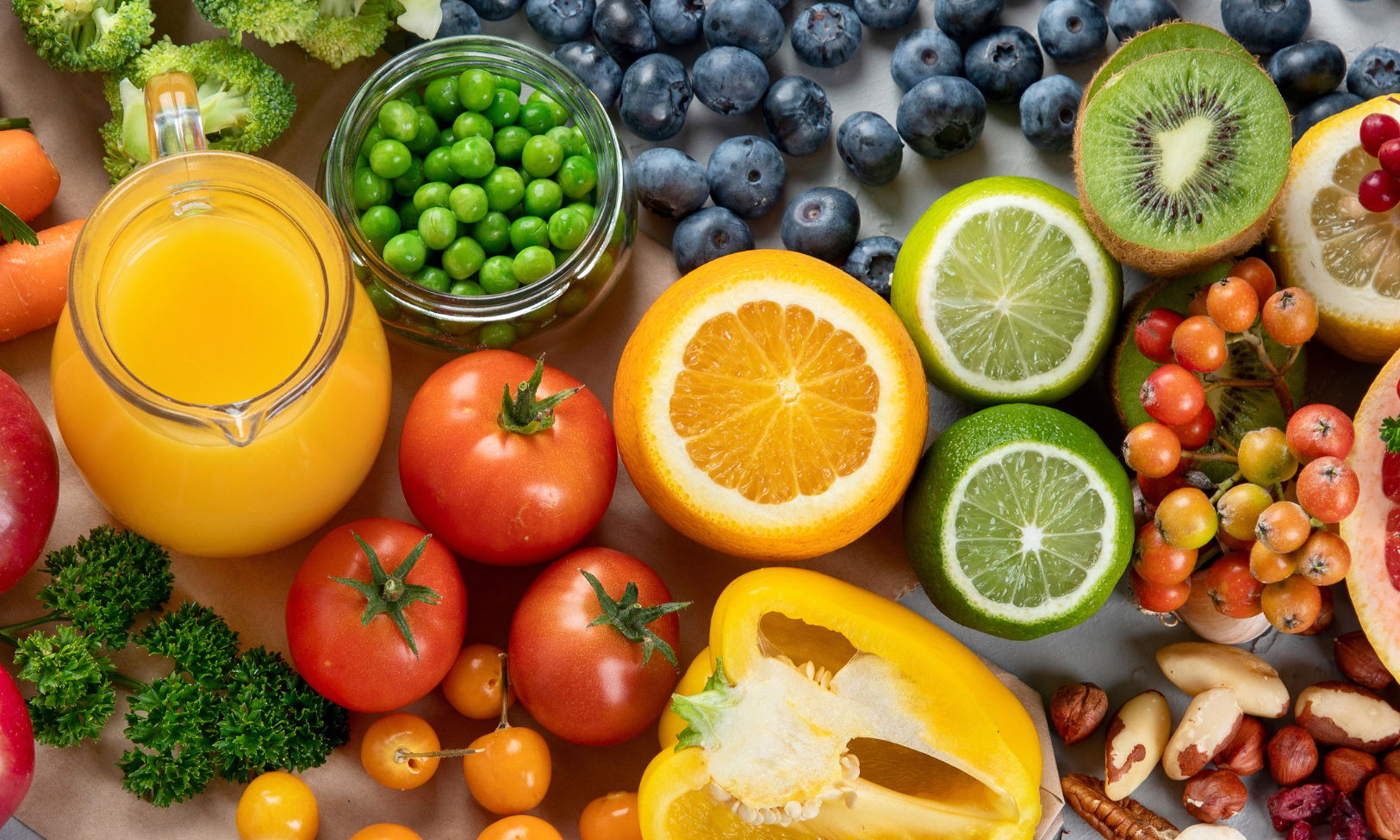
Vitamin C has long been celebrated for its immune-boosting properties, but current evidence shows it plays a far broader role in overall health.
What is Vitamin C?
Immune Function: More Than Just “Cold Support”
Nutrient Synergy: Vitamin C, Zinc & Quercetin
Vitamin C and Lymphatic Health
Stability Matters: Why Fresh Intake is Key

Vitamin C: Whole Body Benefits (Beyond Immunity!)
Vitamin C has long been celebrated for its immune-boosting properties, but current evidence shows it plays a far broader role in overall health.
From immune defence and collagen production to antioxidant protection and emerging links to lymphatic function, vitamin C is a foundational nutrient in modern wellness strategies.
What is Vitamin C?
Vitamin C (ascorbic acid) is an essential, water-soluble vitamin that the body cannot produce or store. This means it must be consumed daily through diet or supplementation. It is vital for collagen synthesis, immune function, and iron absorption (National Institutes of Health [NIH], 2023).
Immune Function: More Than Just “Cold Support”
Vitamin C supports both the innate and adaptive immune systems, making it much more than a simple cold remedy. It contributes by:
• Supporting the production and function of white blood cells
• Enhancing pathogen clearance
• Protecting immune cells from oxidative stress
During infection, vitamin C is actively concentrated inside immune cells, highlighting its critical role in immune defence (Carr & Maggini, 2017; NIH, 2023). Regular intake has been shown to reduce the duration and severity of common colds, particularly in individuals under physical stress or with low dietary intake (NIH, 2023).
Nutrient Synergy: Vitamin C, Zinc & Quercetin
Vitamin C works best as part of a broader nutritional strategy.
Zinc is essential for immune cell development, communication, and antiviral defence. Low zinc levels are linked to impaired immune function (NIH, 2022).
Quercetin, a naturally occurring plant flavonoid, has antioxidant and anti-inflammatory properties. It can assist in transporting zinc into cells, where zinc supports immune function more effectively (Derosa et al., 2021).
Vitamin C and quercetin also act synergistically as antioxidants, supporting the body’s response to oxidative stress during immune activation. Together, this combination offers a more targeted and holistic approach to immune support.
Vitamin C and Lymphatic Health
Vitamin C is required for collagen production, which strengthens connective tissue throughout the body, including blood vessels and lymphatic channels.
The lymphatic system relies on healthy connective tissue to transport immune cells and remove waste efficiently. Adequate vitamin C intake supports these structural pathways, indirectly promoting lymphatic function and immune resilience (NIH, 2023).
Stability Matters: Why Fresh Intake is Key
Vitamin C is highly sensitive and degrades quickly with exposure to:
• Light
• Heat
• Oxygen
• Storage time after harvesting
Vitamin C levels in fruits and vegetables begin to decline soon after harvest, with further losses during storage and preparation (Lee & Kader, 2000). Cooking methods such as boiling can significantly reduce vitamin C content due to its water-soluble nature (NIH, 2023).
Practical strategies include consuming fresh, minimally processed foods, reducing storage time, and using gentle cooking methods such as steaming.
Collagen and Tissue Integrity
Vitamin C is required for collagen synthesis, a structural protein vital for skin, joints, and blood vessels. Inadequate intake can impair collagen production, affecting skin integrity and wound healing (Pullar et al., 2017).
Antioxidant Protection
Vitamin C acts as a potent antioxidant, helping neutralise free radicals generated by metabolism, environmental exposure, and stress. It also assists in regenerating other antioxidants, such as vitamin E (NIH, 2023). This supports cellular health and may reduce oxidative stress associated with ageing and chronic disease.
Key Takeaways
Vitamin C is essential for:
• Immune system function and resilience
• Collagen production and connective tissue integrity
• Antioxidant protection
• Supporting lymphatic and structural health
Due to its instability and limited storage in the body, consistent daily intake — supported by synergistic nutrients like zinc and quercetin — is key to maintaining optimal levels.
References
National Institutes of Health (NIH). (2023). Vitamin C Fact Sheet for Health Professionals.
https://ods.od.nih.gov/factsheets/VitaminC-HealthProfessional/
Carr, A.C., & Maggini, S. (2017). Vitamin C and Immune Function. Nutrients, 9(11), 1211.
https://pubmed.ncbi.nlm.nih.gov/29099763/
National Institutes of Health (NIH). (2022). Zinc Fact Sheet for Health Professionals.
https://ods.od.nih.gov/factsheets/Zinc-HealthProfessional/
Derosa, G. et al. (2021). A role for quercetin in coronavirus disease 2019 (COVID-19). Phytotherapy Research, 35(3), 1230–1236.
https://pubmed.ncbi.nlm.nih.gov/33034398/
Lee, S.K., & Kader, A.A. (2000). Preharvest and postharvest factors influencing vitamin C content of horticultural crops. Postharvest Biology and Technology, 20(3), 207–220.
https://www.sciencedirect.com/science/article/pii/S0925521400001332
Pullar, J.M., Carr, A.C., & Vissers, M.C.M. (2017). The roles of vitamin C in skin health. Nutrients, 9(8), 866.
https://pubmed.ncbi.nlm.nih.gov/28805671/
Information presented is for information purposes only and is not intended to replace advice or treatment from qualified healthcare professionals. The information is not intended to treat or diagnose. Always consult your healthcare professional before taking nutritional or herbal supplements. If you are pregnant, breastfeeding, have any allergies or diagnosed conditions, or are taking prescription medications, always consult your healthcare professional before taking nutritional or herbal supplements.
Binge Read on these

Go Mag Issue 78
Discover the latest issue of Go Mag – Issue 78, your go-to guide for natural health, wellbeing...

Blueberry Matcha Collagen Delight

How to Manage Stress and Build Stress Resilience

Ashwagandha: Supporting Stress Resilience in a Busy World
Go Mag Issue 78
Discover the latest issue of Go Mag – Issue 78, your go-to guide for natural health, wellbeing...
Blueberry Matcha Collagen Delight
How to Manage Stress and Build Stress Resilience
Ashwagandha: Supporting Stress Resilience in a Busy World