

Written By  Go Vita
blog
Zinc: The Essential Mineral Your Body Actually Needs
What Zinc Does in the Body
Zinc and the Immune System
When Supplementation Makes Sense
Safety & Upper Limits
Zinc in a Balanced Healthy Routine

Go Vita Loves...
![]()
Zinc: The Essential Mineral Your Body Actually Needs
Zinc might be a “trace” mineral, but its role in human health is anything but small. Your body uses zinc in systems that are foundational to life.
This includes immunity, cell growth, hormone regulation, wound healing, and metabolic function. Because the body does not store zinc well, you need a reliable supply from diet or supplements. (NIH ODS, 2025).
What Zinc Does in the Body
Zinc contributes to hundreds of biochemical processes:
• Immune function: Zinc is required for normal development and function of immune cells like neutrophils and natural killer cells. (NIH ODS, 2025)
• Tissue growth and repair: Zinc supports DNA and protein synthesis, which is essential for healing and cell regeneration. (NIH ODS, 2025)
• Enzyme reactions: Zinc is part of enzymes involved in digestion, metabolism, and antioxidant processes. (NIH ODS, 2025)
• Hormone regulation: Zinc affects thyroid hormones and testosterone, influencing metabolism and reproductive health. (NIH ODS, 2025)
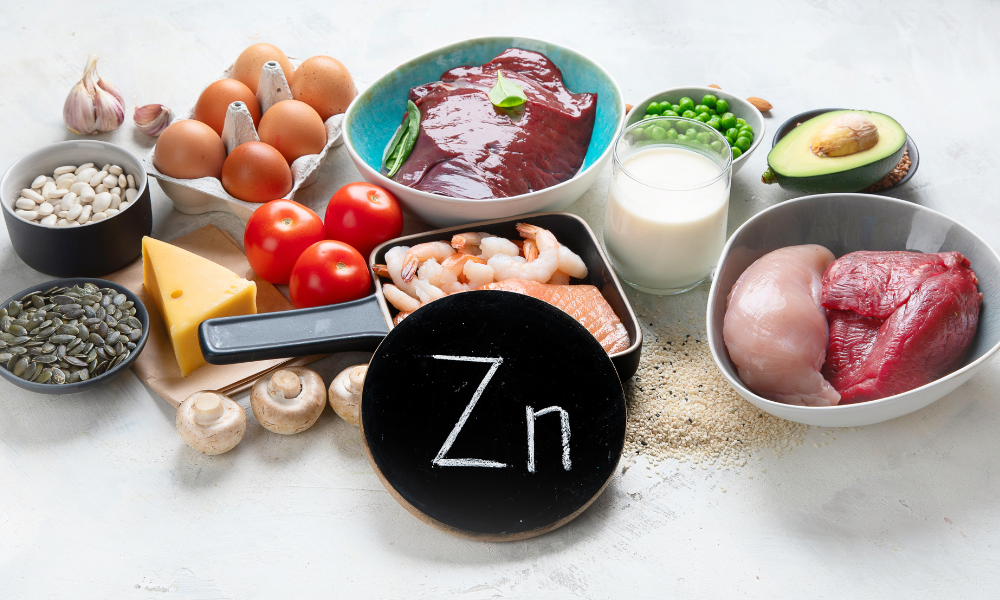
Good food sources include:
• Oysters (highest food source)
• Meat, poultry, fish
• Dairy products
• Legumes, nuts, seeds, whole grains (note: absorption from plant foods is lower due to phytates) (NIH ODS, 2025)
Explore a full list of zinc-rich foods and serving amounts under the "Food" heading.
Signs of Low Zinc Levels
Zinc deficiency is more common than many people think, especially in populations with low dietary diversity or high phytate intake (e.g., vegetarian/vegan diets). Some signs include:
• Frequent infections or slow recovery
• Poor wound healing
• Changes in taste or appetite
• Hair thinning
• Skin rashes or dermatitis
• Fatigue (NIH ODS, 2025)
If you suspect low zinc, talk to a healthcare provider about testing or evaluation.
Zinc and the Immune System
Zinc plays a critical role in immune system signalling and cell activity.
According to the U.S. National Institutes of Health, “Zinc deficiency impairs immune function, including reduced activity of immune cells and increased susceptibility to infection.”
Read more here.
Some intervention studies (especially in older adults) also show that zinc lozenges or supplements can reduce the duration and severity of common colds when taken at the onset of symptoms. (NIH ODS, 2025)
When Supplementation Makes Sense
Most people can meet their zinc needs through a balanced diet. However, supplementation may be advised when:
-
• Diet lacks animal protein (higher plant-based diets)
-
• Absorption is reduced (e.g., gastrointestinal conditions)
-
• Requirements are increased (e.g., pregnancy or infection)
-
• Older age or chronic illness reduces intake or uptake (NIH ODS, 2025)
-
Zinc supplements come in different forms - citrate, Polaprezinc (Zinc carnosine) and amino-acid chelates — with slight differences in absorption. All can be effective when taken at appropriate doses.
Safety & Upper Limits
While zinc is essential, too much can cause harm:
• Taking more than the upper tolerable intake level of 40 mg/day can interfere with copper absorption and immunity.
• High doses can also cause nausea, cramps, and digestive upset.
Always consult a healthcare professional before starting a supplement, especially if you’re on medication or have chronic conditions. (NIH ODS, 2025)
Zinc in a Balanced Healthy Routine
Zinc isn’t a standalone “magic bullet.” It works in harmony with other nutrients (especially vitamins A, C, and B6) to support immune and metabolic health. Making sure you have enough zinc through diet and supplementation when needed is a smart, evidence-based strategy for resilient health.
References
AU.S. National Institutes of Health – Office of Dietary Supplements (ODS):
Zinc — Health Professional Fact Sheet https://ods.od.nih.gov/factsheets/Zinc-HealthProfessional
World Health Organization (WHO): Vitamin and Mineral Requirements in Human Nutrition (2nd Edition)
https://www.who.int/publications/i/item/9241546123
Healthdirect Australia – Zinc Overview: Zinc and your health
https://www.healthdirect.gov.au/zinc
Information presented is for information purposes only and is not intended to replace advice or treatment from qualified healthcare professionals. The information is not intended to treat or diagnose. Always consult your healthcare professional before taking nutritional or herbal supplements. If you are pregnant, breastfeeding, have any allergies or diagnosed conditions, or are taking prescription medications, always consult your healthcare professional before taking nutritional or herbal supplements.
Go Vita Loves...
Always read the label and follow directions for use. If Symptoms persist consult your healthcare practitioner
Binge Read on these

Go Mag Issue 77
Discover the latest issue of Go Mag – Issue 77, your go-to guide for natural health, wellbeing...

Bone Broth Benefits
Discover how bone broth can support your immunity, gut health and energy levels this winter. Learn why...

Healthy Ageing
Discover how healthy ageing is influenced by lifestyle, cellular energy and metabolic health. Learn practical ways to...

Sea buckthorn skincare benefits mud organics
What if one ingredient could transform your skin barrier, brighten your complexion, and turn back the clock...
Go Mag Issue 77
Discover the latest issue of Go Mag – Issue 77, your go-to guide for natural health, wellbeing...
Bone Broth Benefits
Discover how bone broth can support your immunity, gut health and energy levels this winter. Learn why...
Healthy Ageing
Discover how healthy ageing is influenced by lifestyle, cellular energy and metabolic health. Learn practical ways to...
Sea buckthorn skincare benefits mud organics
What if one ingredient could transform your skin barrier, brighten your complexion, and turn back the clock...