

Written By  Go Vita
blog
Ashwagandha: Supporting Stress Resilience in a Busy World
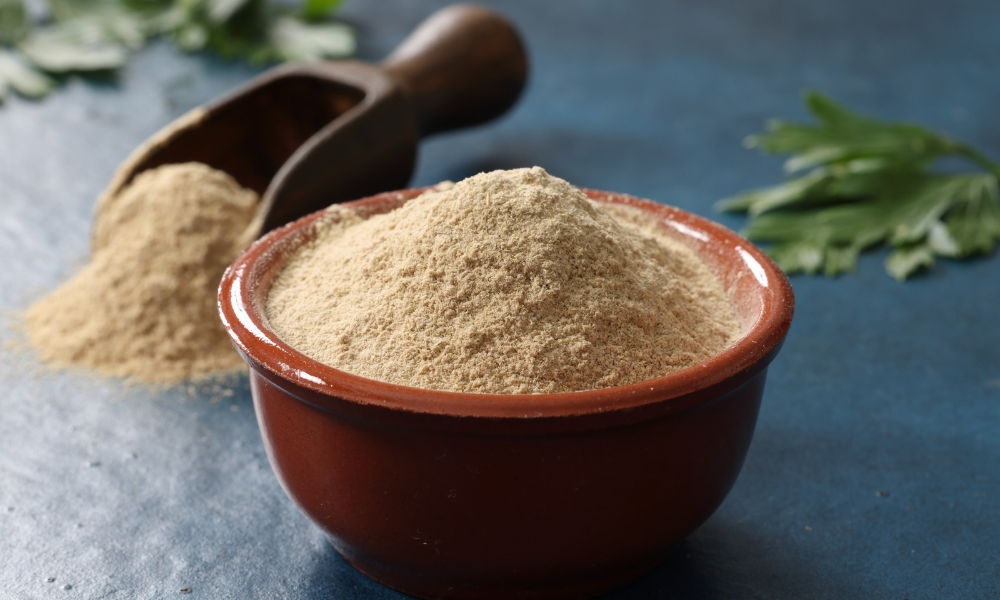
Used traditionally in Ayurvedic medicine, ashwagandha is an adaptogenic herb that has gained interest. Naturopath Margaret Leedham explains why.

Ashwagandha: Supporting Stress Resilience in a Busy World
Used traditionally in Ayurvedic medicine, ashwagandha is an adaptogenic herb that has gained interest. Naturopath Margaret Leedham explains why.
Stress is part of modern life. Work, family, finances, relationships and the constant demands of everyday life can all activate the body's stress response. While short-term stress is a normal and useful response that can improve alertness and help us respond to challenges, ongoing stress without enough recovery can leave us feeling depleted.
This is where ashwagandha has attracted increasing interest.
Used traditionally in Ayurvedic medicine, ashwagandha is an adaptogenic herb that has been studied for its potential role in helping the body adapt to stress and supporting a healthy stress response.
What is Ashwagandha?
Ashwagandha (Withania somnifera) is a herb that has been used traditionally for centuries in Ayurvedic medicine.
It is often described as an adaptogen — a term used for herbs that may help the body adapt to physical and psychological stress and maintain balance during periods of increased demand.
Modern research has begun investigating these traditional uses, with clinical studies suggesting that ashwagandha may help support stress management, anxiety and healthy cortisol levels. Rather than acting like a conventional sedative, ashwagandha is thought to work by influencing systems involved in the body's stress response.
Understanding the Stress Response
One of the body's key stress-response systems is the hypothalamic-pituitary-adrenal (HPA) axis.
When the brain perceives a stressful situation, the HPA axis signals the adrenal glands to produce cortisol. Cortisol is an essential hormone involved in regulating energy availability, metabolism, immune function and the body's response to stress.
This response is not inherently bad. In fact, cortisol is vital.
The problem can arise when the stress response is repeatedly activated without sufficient opportunities for recovery.
Think about a typical modern day: emails before breakfast, deadlines at work, traffic, family responsibilities, screens late at night and poor sleep. The individual stressors may seem manageable, but when they accumulate day after day, the body may have less opportunity to switch into a genuine recovery state.
Supporting healthy stress adaptation therefore isn't about eliminating stress. It's about improving our ability to respond to stress and recover afterwards.
How May Ashwagandha Help?
Research into ashwagandha has focused particularly on its potential effects on stress, anxiety and cortisol.
A systematic review and meta-analysis published in 2024 found evidence that ashwagandha may help reduce measures of stress and anxiety, although the researchers also noted that more high-quality research is needed.
Clinical trials have also investigated ashwagandha extracts in people experiencing stress, with some studies reporting improvements in perceived stress and reductions in cortisol compared with placebo.
This is important because the goal isn't necessarily to eliminate cortisol. Cortisol is not the enemy.
We need cortisol to wake up, respond to challenges and maintain normal physiological function. The aim is to support a healthy, appropriately regulated stress response.
Why the Ashwagandha Extract Matters
One of the biggest mistakes when comparing herbal supplements is assuming that all products containing the same herb are equivalent. They aren't.
Ashwagandha products can differ according to the plant material used, extraction method, concentration and the levels of naturally occurring compounds known as withanolides. This means that a clinical study using one specific ashwagandha extract cannot automatically be applied to every ashwagandha product on the market.
This is where KSM-66® Ashwagandha is particularly interesting.
What is KSM-66® Ashwagandha?
KSM-66® is a branded ashwagandha extract made from the root of Withania somnifera.
It uses a specialised extraction process designed to retain the naturally occurring constituents of the root while producing a standardised extract.
KSM-66® has also been used in a number of human clinical studies investigating areas including stress, anxiety, cortisol and aspects of physical performance and wellbeing.
This is an important distinction when choosing an ashwagandha supplement.
Rather than simply looking for the words "ashwagandha extract" on a label, consider whether the particular extract has been clinically researched.
Who Might Consider Ashwagandha?
Ashwagandha may be worth considering for adults who are experiencing periods of increased stress or who want to support their ability to manage everyday demands.
It may be particularly relevant for someone who:
• Feels mentally or physically stressed
• Finds it difficult to switch off after a busy day
• Is experiencing occasional feelings of overwhelm
• Has difficulty relaxing
• Feels run down during prolonged periods of stress
• Wants to support a healthy stress response
• Is looking for additional support alongside lifestyle changes
It may also be relevant during particularly demanding periods of life — for example, when work pressures increase, sleep becomes disrupted or there is little time for recovery.
However, ashwagandha shouldn't be viewed as a substitute for addressing the underlying causes of ongoing stress.
Stress Support Starts With the Basics
No herb can compensate for consistently poor sleep, inadequate nutrition or a lifestyle with no opportunity for recovery. If you're feeling stressed, start with the foundations.
Sleep: Aim for a consistent sleep and wake time and create a wind-down routine in the evening.
Movement: Regular exercise can support mood, sleep and resilience to stress.
Morning light: Getting outside in natural morning light helps support the body's circadian rhythm.
Breathing: Slow, diaphragmatic breathing can encourage the body to move towards a calmer state.
Recovery: Schedule time to do things that genuinely help you switch off — walking, reading, meditation, spending time outdoors or connecting with people you enjoy.
Nutrition: Regular, balanced meals provide the energy and nutrients required for normal nervous-system function.
Strong positive social connections can help reduce stress, support emotional wellbeing and build resilience, reminding us that we don’t have to navigate life’s challenges alone.
Ashwagandha can be considered alongside these foundations, rather than instead of them.
Is Ashwagandha Right for Everyone?
Natural doesn't automatically mean suitable for everyone.
Ashwagandha may not be appropriate in certain circumstances, and anyone who is pregnant or breastfeeding, taking medication or managing a medical condition should discuss its use with their healthcare professional.
It is also important to investigate persistent or significant symptoms rather than assuming they are simply due to stress.
If anxiety, low mood, sleep problems or exhaustion are persistent or interfering with everyday life, professional support is appropriate. Stress is an unavoidable part of life, but how we respond to it — and how effectively we recover — can have a significant impact on our overall wellbeing.
Ashwagandha (Withania somnifera) is a traditional adaptogenic herb with growing clinical evidence for supporting stress management and a healthy stress response. When choosing an ashwagandha supplement, don't simply look at the number of milligrams on the label. The extract matters.
KSM-66® Ashwagandha is a specifically developed and clinically researched root extract, making it an interesting option when looking for an evidence-informed approach to stress support.
Ultimately, resilience isn't about never feeling stressed. It's about having the capacity to meet life's demands, recover afterwards and keep moving forward. Ashwagandha may be one useful tool in that bigger picture.
Information presented is for information purposes only and is not intended to replace advice or treatment from qualified healthcare professionals. The information is not intended to treat or diagnose. Always consult your healthcare professional before taking nutritional or herbal supplements. If you are pregnant, breastfeeding, have any allergies or diagnosed conditions, or are taking prescription medications, always consult your healthcare professional before taking nutritional or herbal supplements.
Binge Read on these

Go Mag Issue 78
Discover the latest issue of Go Mag – Issue 78, your go-to guide for natural health, wellbeing...

Blueberry Matcha Collagen Delight

How to Manage Stress and Build Stress Resilience

Ashwagandha: Supporting Stress Resilience in a Busy World
Go Mag Issue 78
Discover the latest issue of Go Mag – Issue 78, your go-to guide for natural health, wellbeing...
Blueberry Matcha Collagen Delight
How to Manage Stress and Build Stress Resilience
Ashwagandha: Supporting Stress Resilience in a Busy World