

Written By  Go Vita
blog
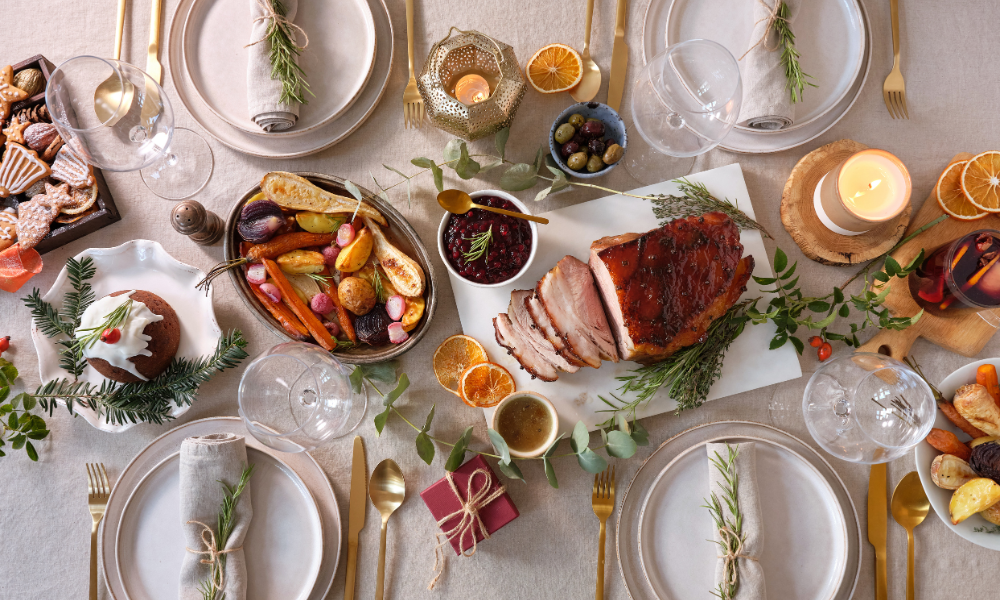
In the next few months, the odds are you will be eating more food; however, the real issue is not the quantity or type of food, but the time you spend eating it.
Which enzyme works on what?
Festive Eating and Digestion: How to Avoid Bloating and Discomfort
In the next few months, the odds are you will be eating more food; however, the real issue is not the quantity or type of food, but the time you spend eating it.
The Australian ‘silly season’ does not feature just one big celebratory meal; it is actually a series of very long meals. Dips and nibbles at 11 o’clock.
Offerings from the barbeque at one. Pavlova, trifle or pudding (or all three) at four, followed by cheese and crackers at five - by which point nobody is entirely sure whether they are finishing lunch or starting dinner.
This long drawn-out style of eating is likely to be duplicated at another event three days later, and again the week after. It may seem leisurely, but it actually demands something quite different from your digestive system than a single sitting does.
Enzymes to the Rescue
Enzymes are what make food able to be digested and nutrients to be absorbed by the body. Each enzyme does basically the same job of taking a large molecule of food and breaking it into pieces tiny enough to cross your gut wall barrier. Complex carbohydrates become simple sugars, protein becomes amino acids and fat is turned into fatty acids and glycerol.
Each enzyme is also specific to one particular job. For example, amylase works on starch, but leaves protein alone; protease processes protein and ignores starch. Therefore, when you are presented with a variety of different foods and eat them over a sustained period of time, this will require harnessing several different enzymes to help.
The enzymes will work in a particular sequence when you are grazing over several hours, as opposed to sitting for a normal meal. Chewing is the mechanical step, breaking food down and mixing it with saliva, which contains amylase to break down starch.
Once this is in your stomach, the enzyme protease switches into action to pull protein apart and churn everything into a loose mixture. Digestion continues in the small intestine, with the pancreas delivering enzymes to further break down carbohydrates, protein and fat.
Now, your body makes enzymes itself, and small amounts occur naturally in some foods. Supplements of digestive enzymes can also be a useful tool to prevent and treat poor digestion.
However, there is one type of food that your own enzymes do not handle: cellulose, the tough material found in plant cell walls. Cellulose requires the prebiotic and probiotic ‘good’ bacteria in your gut to break it down meaning that the festive salads, coleslaw and roast veggies travel through your gut largely intact. The gut bacteria then ferment the fibre and any undigested food, creating gas and discomfort, explaining why the after-effects of a long grazing-style meal feel so different.
What You Can Do
Several key things about food change over the silly season.
They are:
Portion size and type. Fat slows the rate at which your stomach empties, so rich dishes stay with you longer. You are not imagining that heavy feeling after the cheese board.
Spacing. Grazing across five or six hours means the next round of food arrives before the last one has been processed.
Routine. Late nights, late meals, more eating while standing around and talking; stress slows stomach emptying, too.
Variety. You are asking your body – specifically, your enzymes – to handle carbohydrates, protein, fat, fibre and lactose, all together, repeatedly, and at hours your body is not used to eating. It is not just one difficult-to-digest food, but a broad and unpredictable range.
Which enzyme works on what?
Amylase - starch Bread, potato, rice, stuffing
Protease - protein Ham, turkey, prawns, nuts
Lipase - fat Cream, oils, cheese, roast potatoes
Lactase - milk sugars Custard, ice cream, soft cheeses
Cellulase - cellulose The fibre in plant cell walls
While feeling overly full, bloated or uncomfortable over the silly season is common, it does usually settle on its own. Ensure you chew properly - it is the only part of digestion you consciously control.
Sit down for the main plate(s), even just for 10 minutes. Keep drinking water right through the event. Where possible, stand, stretch or walk between courses, rather than after all of them. And prioritise events, rather than go to everything - let the gap between big grazing-style occasions be a decent length.
Note: If digestive symptoms are persistent or severe, or if there is ongoing pain, unexplained weight loss or a clear change in your bowel habits, see your health professional.
Information presented is for information purposes only and is not intended to replace advice or treatment from qualified healthcare professionals. The information is not intended to treat or diagnose. Always consult your healthcare professional before taking nutritional or herbal supplements. If you are pregnant, breastfeeding, have any allergies or diagnosed conditions, or are taking prescription medications, always consult your healthcare professional before taking nutritional or herbal supplements.
Binge Read on these

Go Mag Issue 78
Discover the latest issue of Go Mag – Issue 78, your go-to guide for natural health, wellbeing...

Blueberry Matcha Collagen Delight

How to Manage Stress and Build Stress Resilience

Ashwagandha: Supporting Stress Resilience in a Busy World
Go Mag Issue 78
Discover the latest issue of Go Mag – Issue 78, your go-to guide for natural health, wellbeing...
Blueberry Matcha Collagen Delight
How to Manage Stress and Build Stress Resilience
Ashwagandha: Supporting Stress Resilience in a Busy World